Sustainable Solutions: How E-Waste Recycling Services Are Saving Our Planet
E-waste poses significant threats to the environment, as discarded electronics often contain toxic materials. Such dangerous compounds can pollute soil and water supplies, leading to broader ecological damage. E-waste recycling services present a viable solution. They not only recover valuable resources but also mitigate pollution. Comprehending the operation of these services and their influence on communities is of great importance. The path to successful electronic waste management prompts vital discussions about personal accountability and communal efforts. What actions should be considered going forward?
Why E-Waste Is Bad for the Planet
While technological advancements improve our daily lives, e-waste poses serious threats to the environment. Discarded electronic devices, often containing dangerous compounds like mercury, lead, and cadmium, are capable of seeping pollutants into the surrounding soil and water supply, presenting dangers to human health and ecosystems. The rapid pace of technological advancement contributes to higher rates of electronics disposal among consumers, intensifying the growing problem of e-waste.
Landfills, already burdened with waste, struggle to accommodate the growing volumes of discarded gadgets. Incineration, another disposal method, releases harmful pollutants into the atmosphere, contributing to air quality degradation. In addition, improper recycling practices can lead to the exportation of e-waste to developing countries, where laborers may dismantle devices without adequate safety measures, exposing themselves to dangerous substances. This ongoing cycle of carelessness and inadequate management emphasizes the pressing necessity for responsible recycling initiatives that can lessen the harmful consequences of e-waste on our world.
What Is E-Waste and Why Does It Matter?
Electronic waste, commonly known as e-waste, comprises obsolete electronic products including smartphones, computers, and televisions that have exceeded their operational lifespan. This rapidly expanding waste category is noteworthy owing to its accelerating volume, fueled by innovation in technology and shifting consumer habits. As growing numbers of electronics become outdated, the ecological consequences become more pronounced, with toxic materials such as lead, mercury, and cadmium presenting serious hazards to the environment and human well-being.
The significance of tackling e-waste extends beyond minimizing these risks to recognizing the valuable resources it holds. Valuable metals and rare earth materials can be extracted and repurposed, lessening the demand for mining and preserving natural resources. With a thorough understanding of e-waste and its impact, people and organizations alike can make educated decisions about disposal and recycling, helping to build a more sustainable world. Responsible management of e-waste plays a key role in supporting a circular economy and championing environmental stewardship.
The Way E-Waste Recycling Functions
E-waste recycling entails a structured approach aimed at reclaiming useful resources while reducing harm to the environment. Initially, electronic waste is gathered and delivered to dedicated processing Read on centers. Once there, the equipment is meticulously organized to distinguish harmful elements from reusable resources.
Subsequently, technicians deconstruct the electronics, recovering glass, metals, and plastics. This phase is essential, as it enables the retrieval of high-value metals like gold, silver, and copper, which can be reused in new electronic devices.
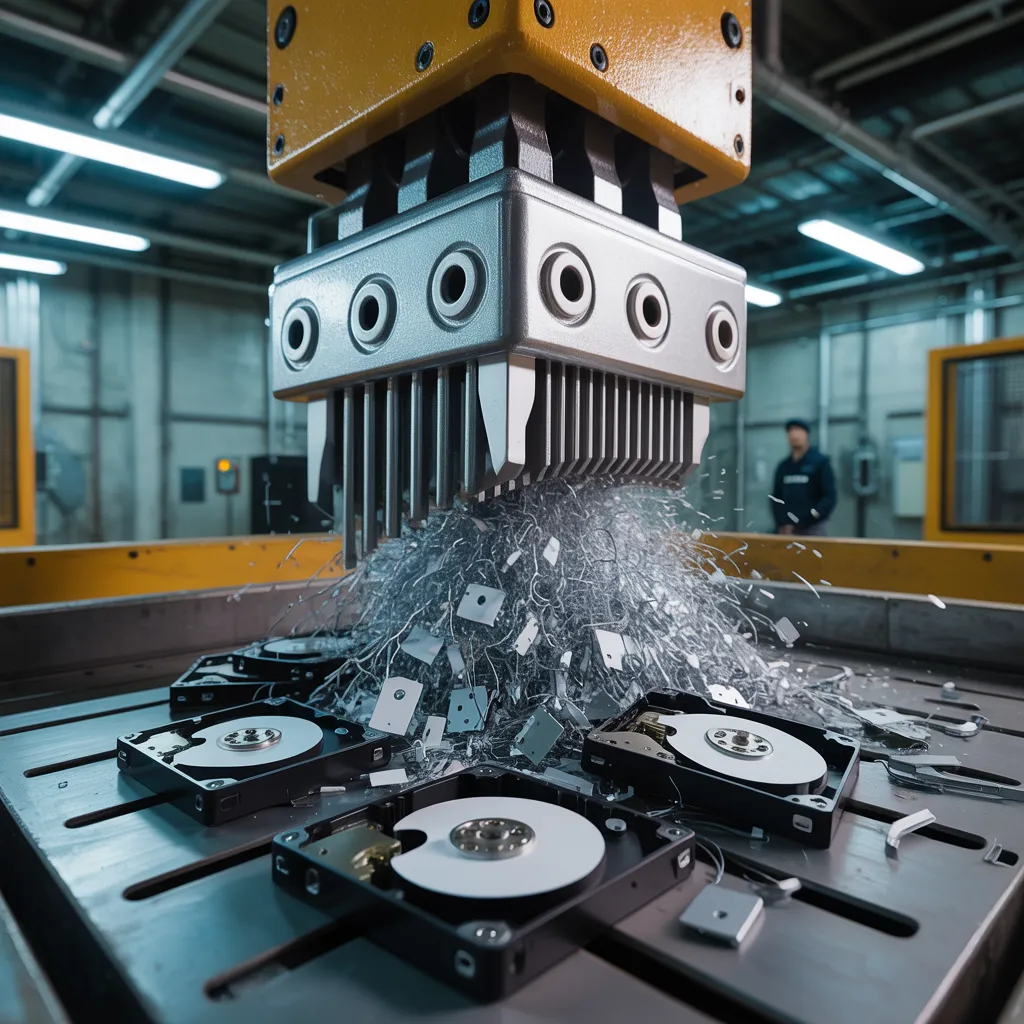
Afterward, the separated materials are handled via advanced techniques, such as chemical treatments and shredding, to cleanse them for further use.
Finally, the leftover hazardous waste is handled with responsibility, complying with environmental guidelines. This comprehensive process not only preserves valuable resources but also mitigates the risks associated with unsafe e-waste handling, securing a more eco-conscious future for the consumption of electronics.
Benefits of E-Waste Recycling for You and Your Community
Though many people are unaware, the benefits of e-waste recycling reach well past personal use to meaningfully influence entire communities. By responsibly disposing of electronic waste, individuals help foster a safer environment, reducing harmful substances that can contaminate soil and water. This responsible method actively safeguards local ecosystems and supports public health.
Furthermore, e-waste recycling fosters the creation of jobs in communities. Nearby recycling establishments regularly need employees for diverse activities, from collection to processing, therefore offering work opportunities within the community. This not only boosts the local economy but also inspires community dedication to sustainable efforts.
In addition, awareness of e-waste recycling is capable of inspiring educational initiatives, equipping residents to adopt eco-friendly choices. By enrolling in e-waste recycling programs, individuals promote a culture of sustainability, motivating others to join the movement. Overall, the combined impact of these actions can lead to a more sustainable and conscientious community.
Tips for Choosing an E-Waste Recycling Service
Choosing the right e-waste recycling service is essential for making sure that electronic refuse is processed with responsibility and sustainability. Initially, consumers should check the service's certifications, such as e-Stewards or R2, which indicate conformance to industry standards for responsible recycling methods. It's also important to evaluate the organization's credibility by reviewing feedback and looking for recommendations from trusted sources.
Furthermore, transparency in the recycling process is vital. A reliable service should offer detailed insights about the manner in which e-waste is managed and what becomes of the materials. Moreover, assessing the variety of services available can be advantageous; some companies may provide pickup services or offer incentives for recycling.
Furthermore, being aware of local guidelines related to e-waste disposal can additionally influence the decision-making process. Through focusing on these key aspects, consumers can play a role in effective e-waste management while supporting green and responsible behaviors.
How You Can Take Part in E-Waste Recycling?
Getting involved with e-waste recycling can start at the local level, where local recycling facilities frequently offer essential services for responsible disposal. Moreover, joining community awareness campaigns can enhance efforts to inform others regarding the importance of ethical e-waste practices. Such efforts not only advance environmental sustainability but also foster a collective sense of accountability for the environment.
Regional Recycling Centers
Many local recycling centers perform an important function in recycling electronic waste, supplying communities with reliable ways to discard electronic waste in an eco-friendly way. These facilities handle a selection of electronic equipment, including outdated computers, mobile phones, and TVs, verifying that toxic materials are disposed of safely. Many hubs feature experienced team members who can guide individuals on proper disposal methods, underscoring the benefits of recycling compared to landfilling. Additionally, many centers offer scheduled drop-off occasions or specific collection dates, allowing residents to take part with ease. By taking advantage of these neighborhood resources, residents support a circular economy, decreasing environmental damage and advancing sustainable approaches. Connecting with these stations allows communities to address e-waste pollution proactively.
Community Education Campaigns
Nearby organizations, schools, and enterprises can work together to organize events that support e-waste collection drives. Volunteers can play a pivotal role in spreading awareness, distributing educational materials, and engaging with the community. As a result of these combined actions, community members grow more knowledgeable and inspired to dispose of their electronics responsibly, thereby helping to build a greener and more sustainable tomorrow.
Questions We Often Receive
What Electronic Devices Are Eligible for Recycling?
Numerous electronics are able to be recycled, including smartphones, computers, laptops, televisions, printers, and gaming consoles. Additionally, accessories such as mice, keyboards, and batteries are also suitable for recycling, supporting environmental conservation efforts.
Are There Fees Involved With E-Waste Recycling?
That's correct, e-waste disposal sometimes comes with charges, based on the service provider. Some service centers impose charges for gathering or treatment, while other facilities make services available at no charge, typically funded by the proceeds from salvaged materials.
How Can Businesses Benefit From E-Waste Recycling?
Companies can take advantage of e-waste recycling by lowering disposal expenses, improving their green reputation, meeting compliance standards, recovering valuable materials, and possibly earning income through resale, thus supporting a greener and more sustainable operational framework.
What Becomes of Data on Recycled Devices?
Data regarding repurposed electronics is commonly completely removed or obliterated during processing. This confirms sensitive information is kept safe, stopping improper access while permitting materials to be recycled safely and responsibly across new manufacturing processes.
Is It Possible to Recycle Damaged Electronics?
Absolutely, defective electronics may be recycled. Many collection points take in defective devices, ensuring proper disposal and recovery of useful materials. This effort helps decrease the environmental footprint while encouraging sustainable recycling habits to address electrical waste effectively.